How to Remove Negative Google Reviews?
Quick Answer
You cannot remove a genuine negative Google review. Google only deletes reviews that break its review policies, such as spam, fake content, or harassment. An honest review from a real customer stays online, even if it is harsh or one star. The real fix is to respond professionally, resolve the issue, and earn enough positive reviews to outweigh it.
Introduction
You found a one-star review on your Google Business Profile, and your first instinct is to make it vanish. That is the wrong place to start. Most guides skip the hard truth: you usually cannot remove negative Google reviews when they come from real customers describing real visits. Google protects honest feedback on purpose. So this guide covers what Google will and will not delete, the narrow cases where a review does qualify for removal, and what actually protects your rating when the review is here to stay.
Can You Actually Delete a Genuine Google Review?
No. A business owner cannot delete a customer’s genuine Google review. Only two parties can remove one: the customer who wrote it, or Google, and Google steps in only when the review breaks its rules.
This catches a lot of owners off guard. You can flag a review, but flagging is a request, not a delete button. Google checks each flagged item against its policies and ignores requests that boil down to “I don’t like this feedback.” If the review is an honest account of a real visit, it stays up.
The reviewer, though, can edit or delete their own review whenever they want. That detail matters because it is often the most realistic path to getting a genuine review taken down. Businesses dealing with content that violates platform policies may also explore professional negative content removal options. More on how to encourage that below.
Why does Google Keeps Honest Negative Reviews Online?
Google treats reviews as consumer protection, not business marketing. The whole point is letting future customers read real experiences before they buy. Deleting reviews just for being negative would break that.
A review does not qualify for removal simply because:
- It is negative or one star.
- The customer was rude or emotional.
- You disagree with their version of events.
- It is dragging down your average rating.
Google’s policies let customers share negative experiences as long as those experiences tie back to a real interaction with the business. So the real answer is less comforting but more useful: most negative reviews are not a removal problem. They are a response and recovery problem. Understanding the difference between Content Removal and Suppression helps businesses focus on the most effective reputation management strategy for each situation.
When a Negative Review Does Qualify for Removal
Some negative reviews can come down, but only when they break Google’s prohibited and restricted content policies. These rules target content, not sentiment. A review may be eligible if it includes:
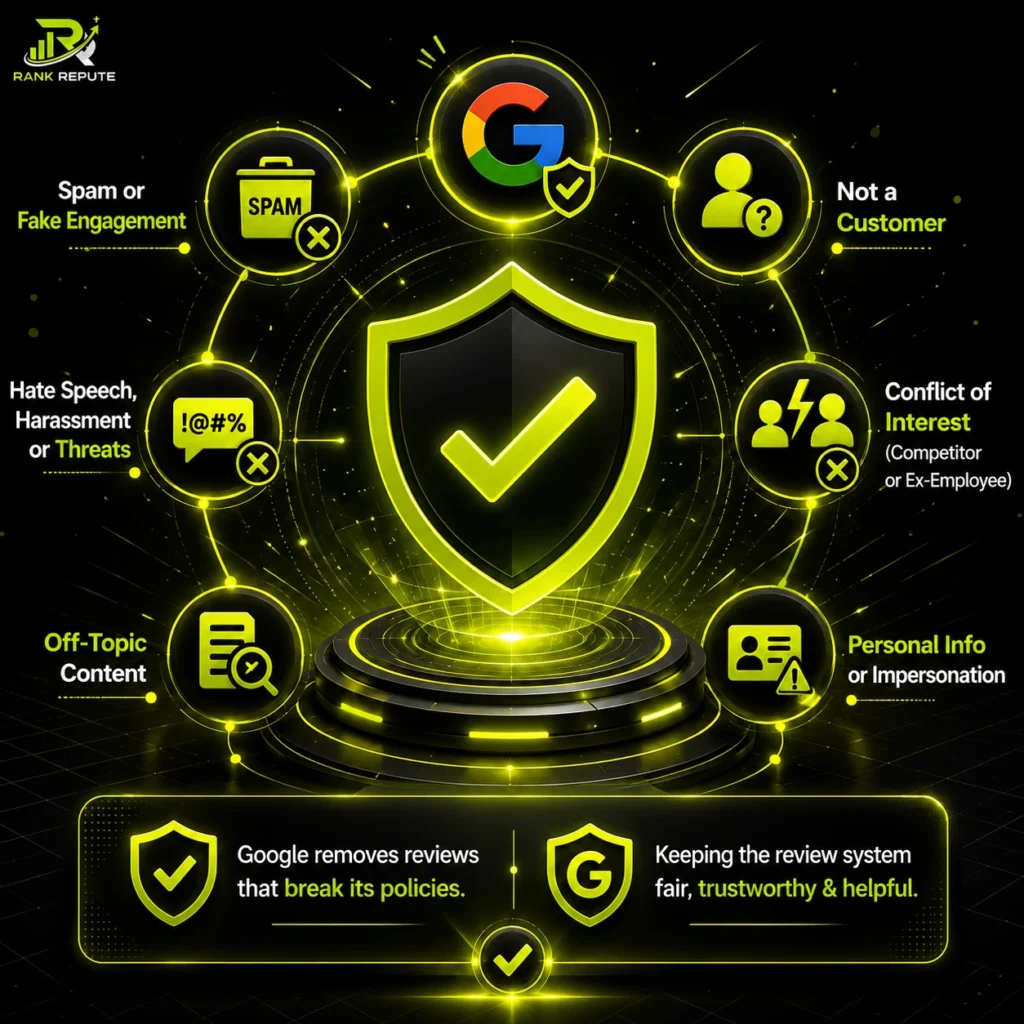
- Spam or fake engagement.
- A review from someone who was never a customer.
- Hate speech, harassment, or threats.
- Off-topic content unrelated to the business.
- A conflict of interest, such as a competitor or a former employee.
- Personal information or impersonation.
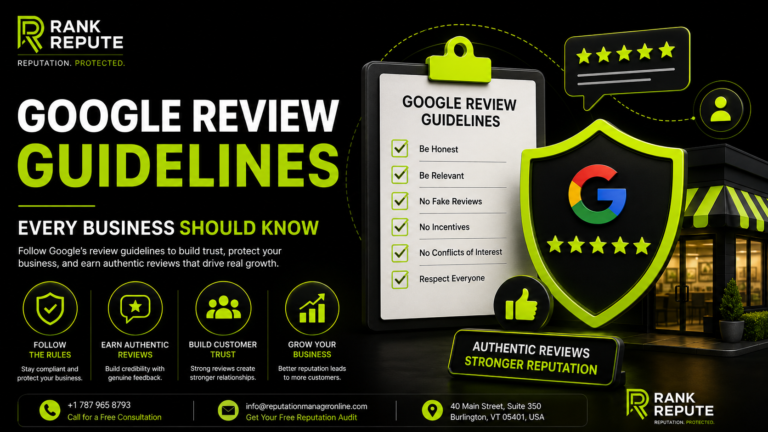
If the review is fake or posted by a competitor rather than a genuinely unhappy customer, that is a separate situation with its own process. Our guide on how to remove fake Google reviews walks through that path. For the full list of what Google permits and bans, see our breakdown of Google review guidelines.
How to Flag a Review That Breaks the Rules
If a review really does violate policy, report it through your Google Business Profile:
- Open your Google Business Profile and go to the Reviews section.
- Find the review and select the three-dot menu beside it.
- Choose “Report review” or “Flag as inappropriate”.
- Pick the policy the review breaks and submit.
- Keep a record, including a screenshot and the date.
Google’s assessment usually takes a few days to several weeks. Removal is never guaranteed, so flag only when you can point to a clear policy breach. Flagging an honest review burns time and almost never works.
Mistakes That Make a Bad Review Worse
Most of the damage from a negative review comes from how the owner reacts, not the review itself. These are the moves that backfire.
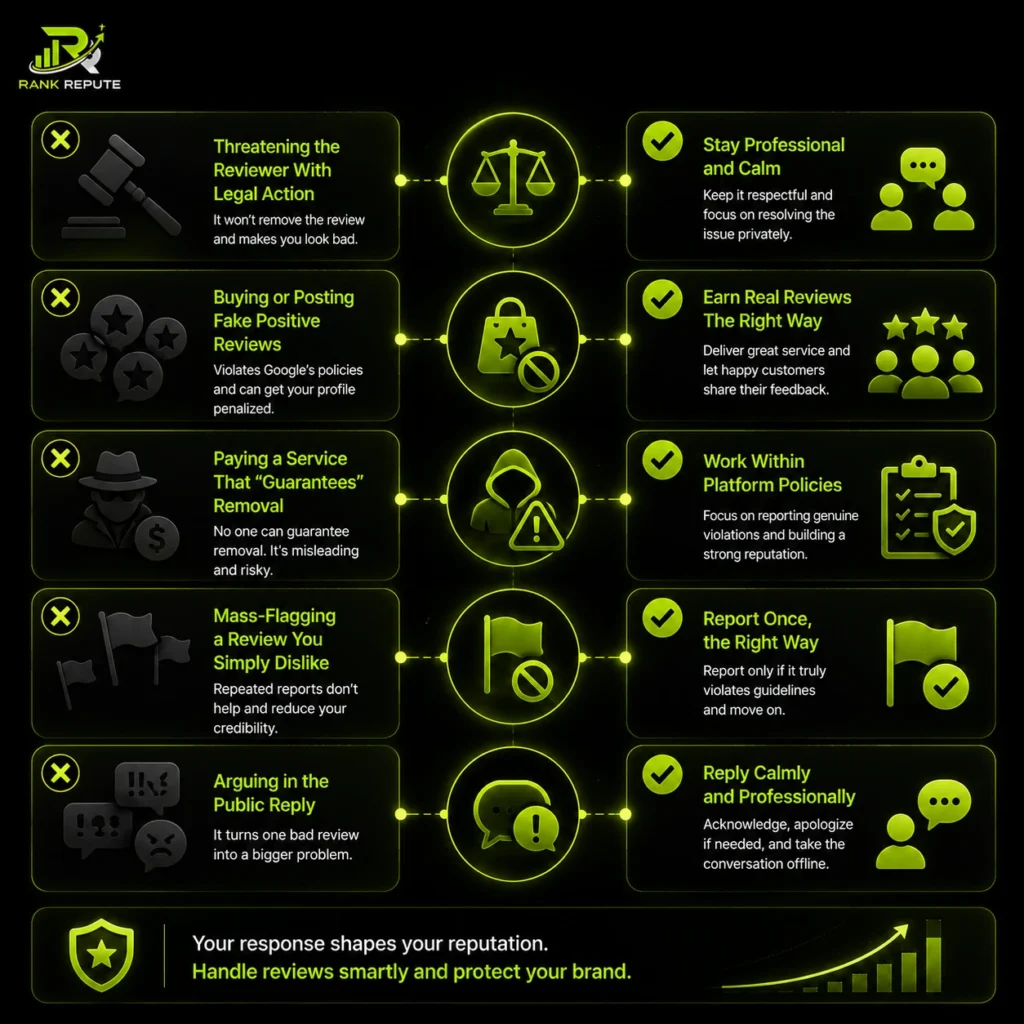
Threatening the Reviewer With Legal Action
A public threat to sue almost never gets a review removed, and it makes you look worse to everyone reading. Google does not pull a review because a business is angry about it. Defamation is a high legal bar, and most negative opinions, however unfair they feel, do not clear it.
Buying or Posting Fake Positive Reviews
Drowning a bad review under fake five-star ratings is a policy violation on every major platform. Google can detect the pattern, strip the fake reviews, and slap a warning label on your profile that scares off real customers. The short-term lift is never worth that.
Paying a Service That “Guarantees” Removal
No one can guarantee the removal of a genuine review, because that decision sits with Google, not a vendor. Any company promising to delete honest customer feedback is either misleading you or planning to break the rules and risk your profile. Treat the guarantee as the red flag.
Mass-Flagging a Review You Simply Dislike
Reporting the same honest review again and again does not improve your odds. Google assesses it against policy once, and “I disagree with it” is not a policy breach. Repeated false flags waste your time and can make your reporting less credible when you have a genuine case.
Arguing in the Public Reply
A defensive, point-by-point rebuttal turns one bad review into a scene future customers remember. Even when you are right, the argument reads as the bigger problem. Reply calmly, offer to help, and move the rest offline.
What to Do When the Review Is Genuine and Stays?
This is where most of your effort belongs. When a real customer leaves a fair complaint, the goal shifts from deletion to damage control. Handling a bad review calmly often does more for your reputation than removal ever could.
Respond Professionally and in Public
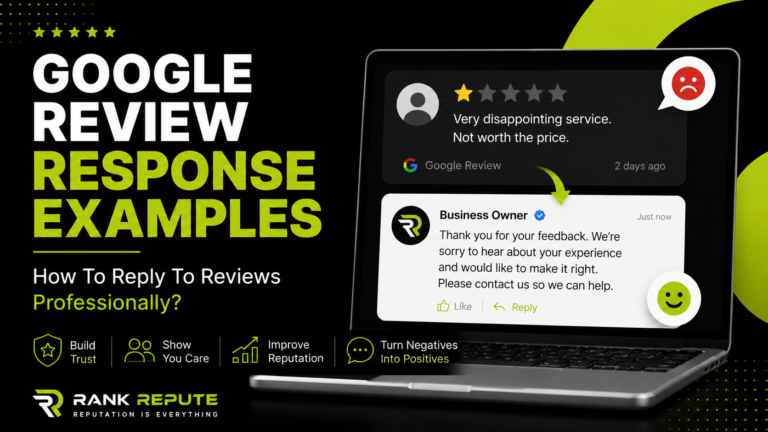
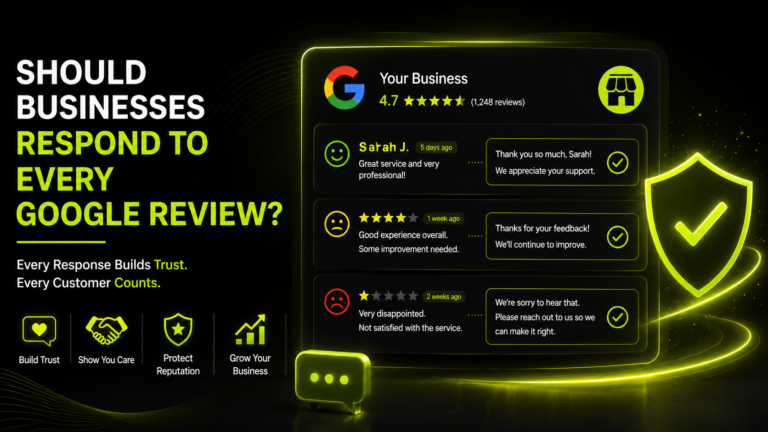
Future customers read the reply as closely as the review itself. A short, respectful response that acknowledges the concern and offers help shows you take feedback seriously. Skip the arguing, the blaming, and the private details. For the exact wording, tone, and worked examples, follow our method for responding to negative reviews.
Take the Conversation Offline
After your public reply, invite the customer to reach you directly by phone or email. A private conversation lets you fix the real problem without a public back-and-forth. Many complaints are just a request for help that never got answered the first time.
Why Most Businesses Fail To Remove Negative Reviews?
Many businesses fail to remove negative reviews because they misunderstand how Google’s review system works. A common assumption is that a review can be deleted simply because it is unfair, damaging, or hurts the business’s rating. In reality, Google evaluates reviews based on policy violations, not whether the business agrees with the feedback.
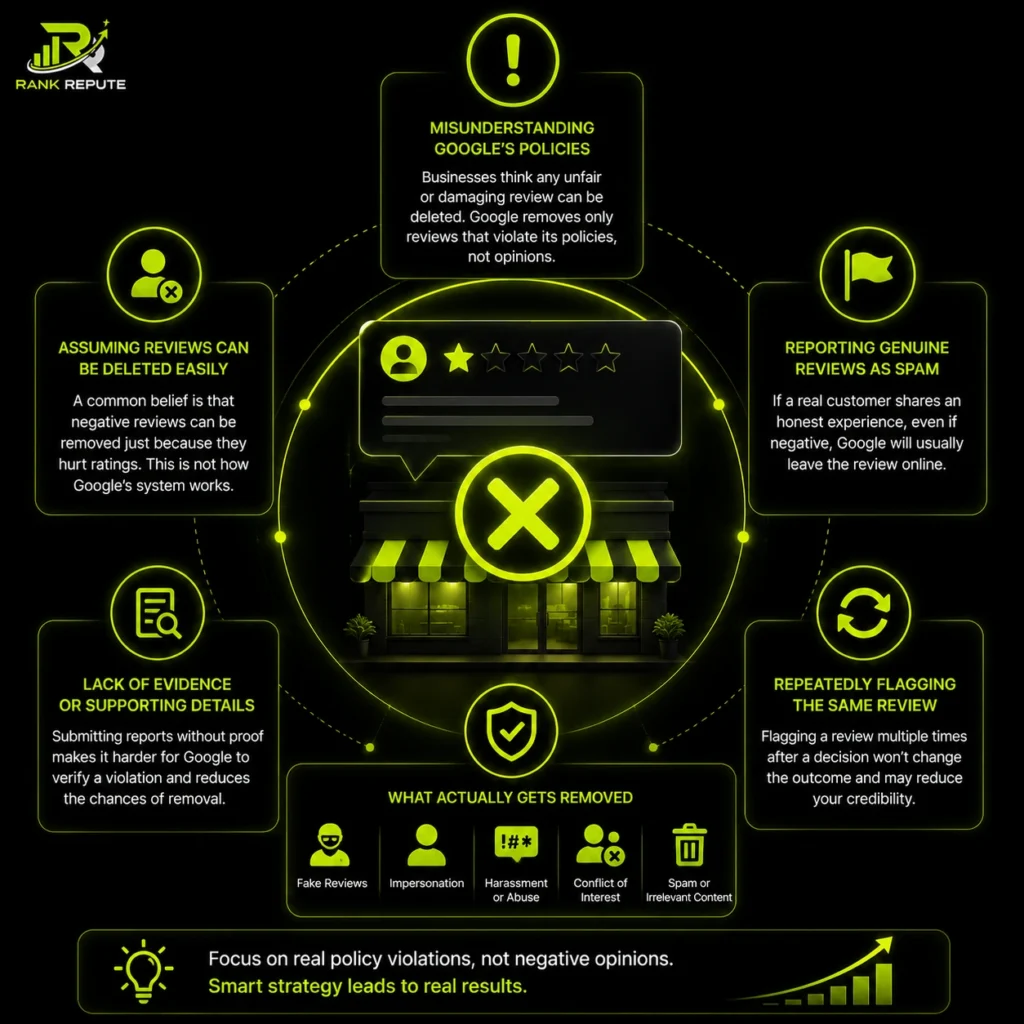
Another common mistake is reporting genuine customer reviews as spam. If a real customer shares an honest experience, even a highly critical one, Google will usually leave the review online. Businesses also weaken their cases by submitting reports without evidence or repeatedly flagging the same review after an initial decision has already been made.
The most successful review removal requests involve clear policy violations such as fake reviews, impersonation, harassment, conflicts of interest, or spam. Understanding this distinction helps businesses focus their efforts on reviews that actually qualify for removal rather than wasting time on requests that are unlikely to succeed. It also highlights the difference between review management vs reputation management, where removing or responding to reviews is only one part of protecting a brand online.
Ask the Customer to Update Their Review
Here is the realistic route to removal. Once you sort out the issue, the customer can edit or delete their own review. Plenty of one-star ratings turn into four or five stars after a genuine fix. Never pressure or pay for the change. Solve the problem properly, then leave the decision with them. Understanding why customers leave negative reviews can often help businesses address the root cause of complaints before they escalate. This is the one method that legitimately makes a genuine negative review disappear.
How to Get a Customer to Remove Their Own Review?
The only legitimate way to take down a genuine review is to have the customer do it themselves, and they will only do that if you fix the real problem first. Removal is the result of good service recovery, not a request you lead with. Work through it in order:
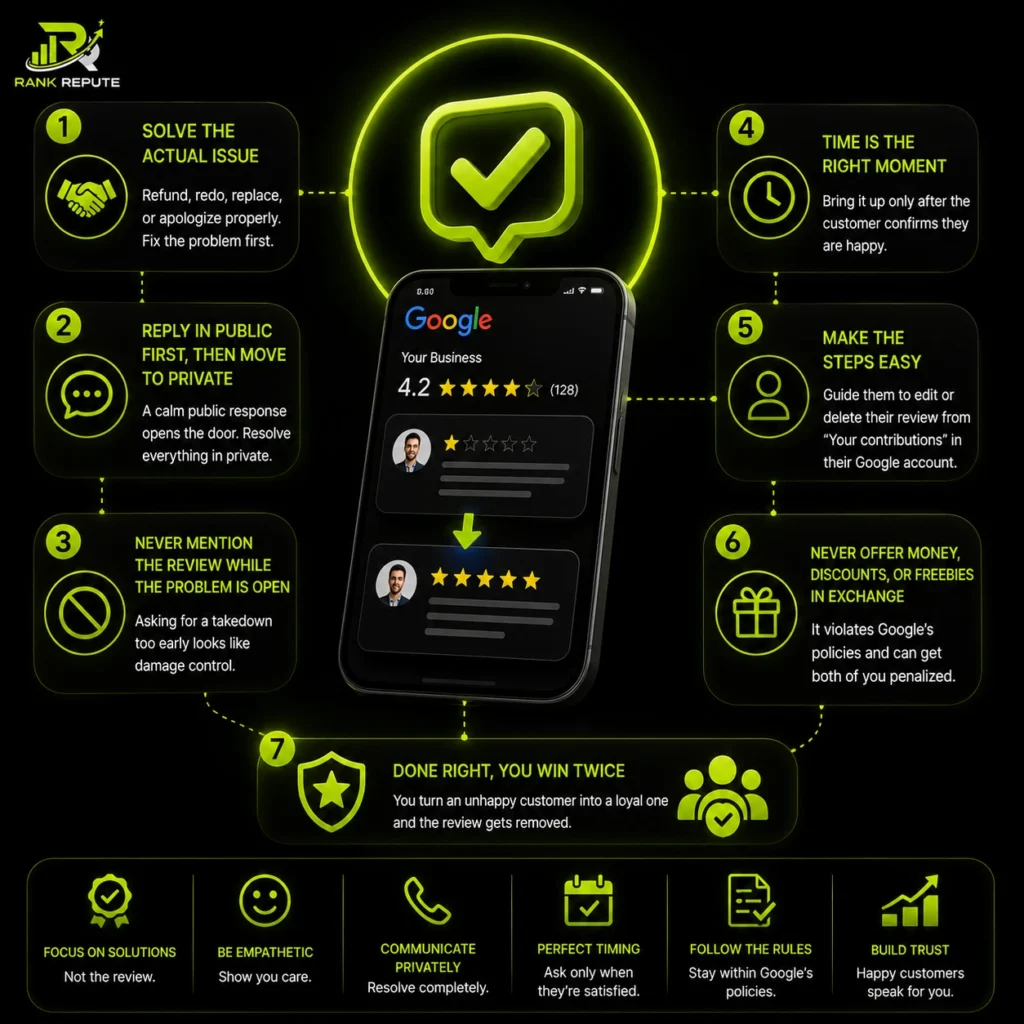
- Solve the actual issue before you ask for anything. Refund, redo, replace, or apologize properly. The customer changes the review because their experience changed, not because you asked nicely.
- Reply in public first, then move to private. A calm public response opens the door. The real repair happens over a phone call or email, where you can sort things out properly. Once the issue is resolved, businesses can consider SMS vs email review requests when encouraging satisfied customers to update or leave feedback in the future.
- Never mention the review while the problem is still open. Asking for a takedown before you have helped reads as damage control, and it usually hardens the customer against you.
- Time is the right moment. Bring it up only after the customer confirms they are happy. A satisfied customer often offers to update the review without being asked.
- Make the steps easy. Tell them they can edit or delete their own review from their Google account under “Your contributions”, since many people do not know they can change it after posting.
- Never offer money, discounts, or freebies in exchange for a change. Paying to alter a review breaks Google’s policies and can get both of you penalized. Keep it to a genuine fix.
Done right, this turns an unhappy customer into a loyal one and clears the review at the same time. It is slower than flagging, but unlike flagging, it actually works on honest feedback.
Outweigh One Bad Review With Many Good Ones
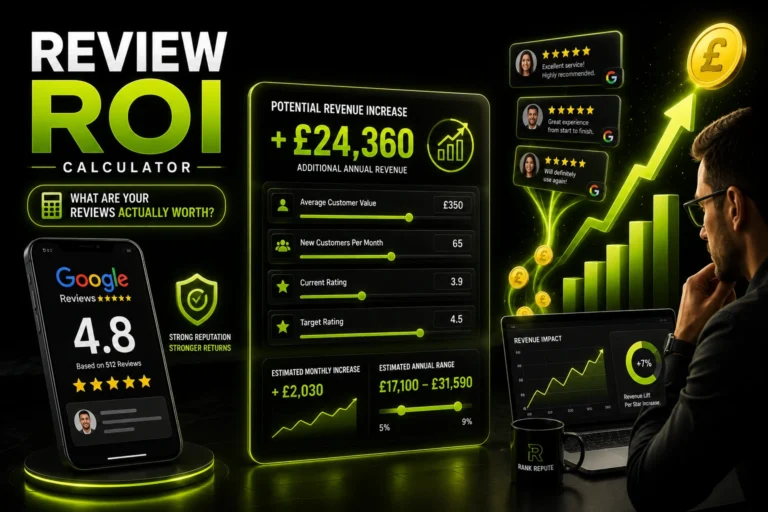
You cannot always remove a bad review, but you can shrink how much it matters. A single negative rating carries far less weight when it sits among dozens of strong ones. The maths is simple.
Take a business with twenty-five-star reviews and a clean 5.0 average. One new one-star review pulls that down to roughly 4.8. Add ten more genuine five-star reviews, and the average climbs back toward 4.9, while the bad review slides down the page where fewer people ever scroll.
A steady stream of reviews also keeps your profile looking active and trustworthy. That is the job of a review generation strategy: ask happy customers for feedback at the right moment so the good reviews keep arriving. Over time, that beats fighting a single rating.
A Real-World Example
Seeing the approach in action makes it clearer than any rule. Picture a small café with a strong 4.9 rating.
A regular leaves a one-star review after a rushed Saturday: cold food, a long wait, no apology. It is genuine, so removal is off the table. The owner replies within a day, apologises for the wait, explains they were short-staffed, and invites the customer back for a meal on the house. The customer comes in, has a good visit, and updates the review to four stars on their own.
Nothing was deleted. The problem was fixed in the open, future customers saw an owner who listens, and the rating recovered. That is the realistic version of “removing” a negative review, and it works far more often than flagging does.
How One Negative Review Affects Your Rating and Search Visibility?
One negative review rarely damages an established business. Google ranks local results on many signals, including relevance, distance, and prominence, and a single review is a small slice of prominence. The real risk is a pattern of unanswered complaints, not one bad day.
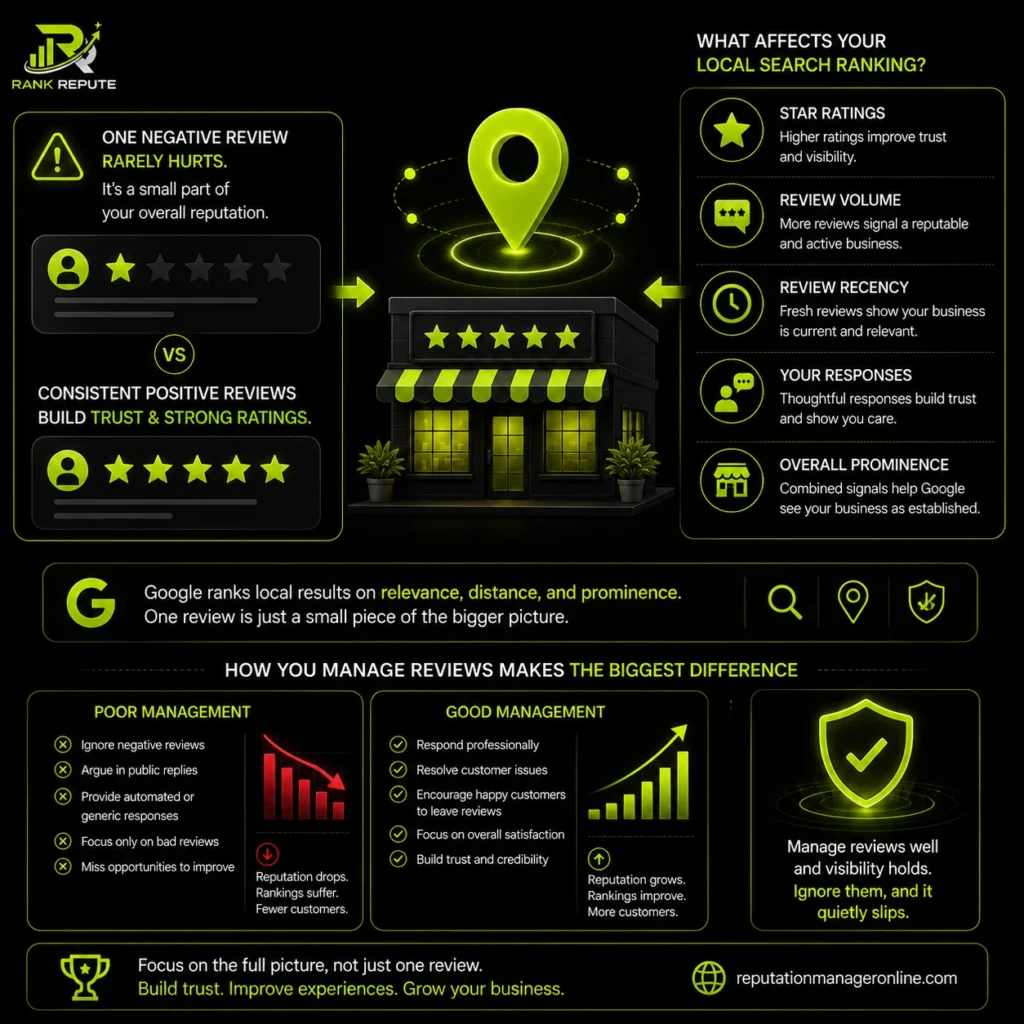
Reviews still shape local search over time. Star ratings, review volume, recency, and your responses all feed how customers and Google read your business. We unpack that link in how reviews affect local SEO. The short version: manage reviews well and visibility holds, ignore them, and it quietly slips.
Can Too Many Removal Requests Hurt Your Credibility?
Reporting a review that genuinely violates Google’s policies is a normal part of review management. However, repeatedly flagging legitimate customer feedback can become counterproductive.
Google reviews content against its policies rather than a business owner’s personal preference. If every negative review is automatically reported, businesses often spend time pursuing removals that have little chance of success. This can distract from more productive actions such as responding professionally, resolving customer concerns, and improving the overall review profile.
A better approach is to evaluate each review carefully before reporting it. If there is evidence of spam, fake engagement, impersonation, harassment, or another policy violation, reporting may be appropriate. If the review reflects a genuine customer experience, even an unfavourable one, the focus should usually shift toward reputation management rather than removal.
Businesses that understand the difference between removable content and legitimate customer feedback are often better positioned to protect their ratings, maintain customer trust, and manage reviews more effectively over time.
Does Every Platform Treat Genuine Reviews the Same Way?
Mostly, yes. The major review platforms all protect honest feedback and remove content only when it breaks their rules. The wording differs, but the principle holds: real experiences stay, policy violations go.
| Platform | Removes genuine negative reviews? | What it does remove |
|---|---|---|
| No | Spam, fake content, conflicts of interest, harassment, off-topic | |
| Yelp | No | Fake accounts, hate speech, and posts violating community standards |
| Trustpilot | No | Reviews with no genuine buying or service experience, abusive content |
| Glassdoor | No | Posts breaking community guidelines, such as identifying details or threats |
The takeaway is consistent across all of them. You cannot delete an honest review by asking, so the strategy is always the same: report only genuine policy breaches, respond well to the rest, and keep earning positive reviews. The platform changes, the playbook does not.
Removal vs the Real Fix at a Glance
| Situation | Can it be removed? | Best action |
|---|---|---|
| Honest one-star from a real customer | No | Respond, resolve, ask them to update |
| Fake review from a non-customer | Possibly | Flag for policy violation |
| Competitor or ex-employee review | Possibly | Report with evidence |
| Spam, hate speech, or threats | Yes, usually | Flag immediately |
| Off-topic or wrong-business review | Yes, usually | Report as off-topic |
| Negative but fair criticism | No | Reply publicly, fix the issue |
Frequently Asked Questions
Can a business owner delete a Google review?
No. Owners cannot delete reviews left by customers. You can only flag a review for Google to assess against its policies, and Google removes it solely when it breaks those rules. The reviewer themselves can edit or delete their own review at any time.
How long does Google take to remove a flagged review?
Usually a few days to several weeks after you report it. Google checks each flagged item against its content policies before deciding. There is no fixed timeline, and many flagged reviews stay up because they do not actually breach a policy.
Will responding to a negative review remove it?
No, replying does not delete the review. A good response can lead to removal indirectly, since a customer who feels heard and helped may decide to update or take down their own review once the issue is resolved.
Can I get a one-star review with no comment removed?
Not usually. A rating without text still reflects a customer’s opinion, which Google allows. If you suspect it came from someone who was never a customer, you can flag it, but Google rarely removes star-only ratings without clear evidence of a policy breach.
Is it worth paying a service to remove negative reviews?
Only for reviews that genuinely violate Google’s policies, where a service can handle the flagging and escalation. No legitimate service can delete an honest review, so treat any company that guarantees the removal of real customer feedback as a red flag.
Conclusion
The short version: you cannot remove negative Google reviews when they are genuine, and chasing deletion drains energy you could spend elsewhere. Google only deletes reviews that break its policies, like spam, fake content, or harassment. For everything else, the winning play is to respond professionally, fix the problem so the customer might update their rating, and stack up enough positive reviews to outweigh the bad one. Handled well, one rough review can actually work in your favour, showing future customers how seriously you take their experience. If you want help managing reviews the right way, professional review management keeps your profile healthy and your responses sharp.