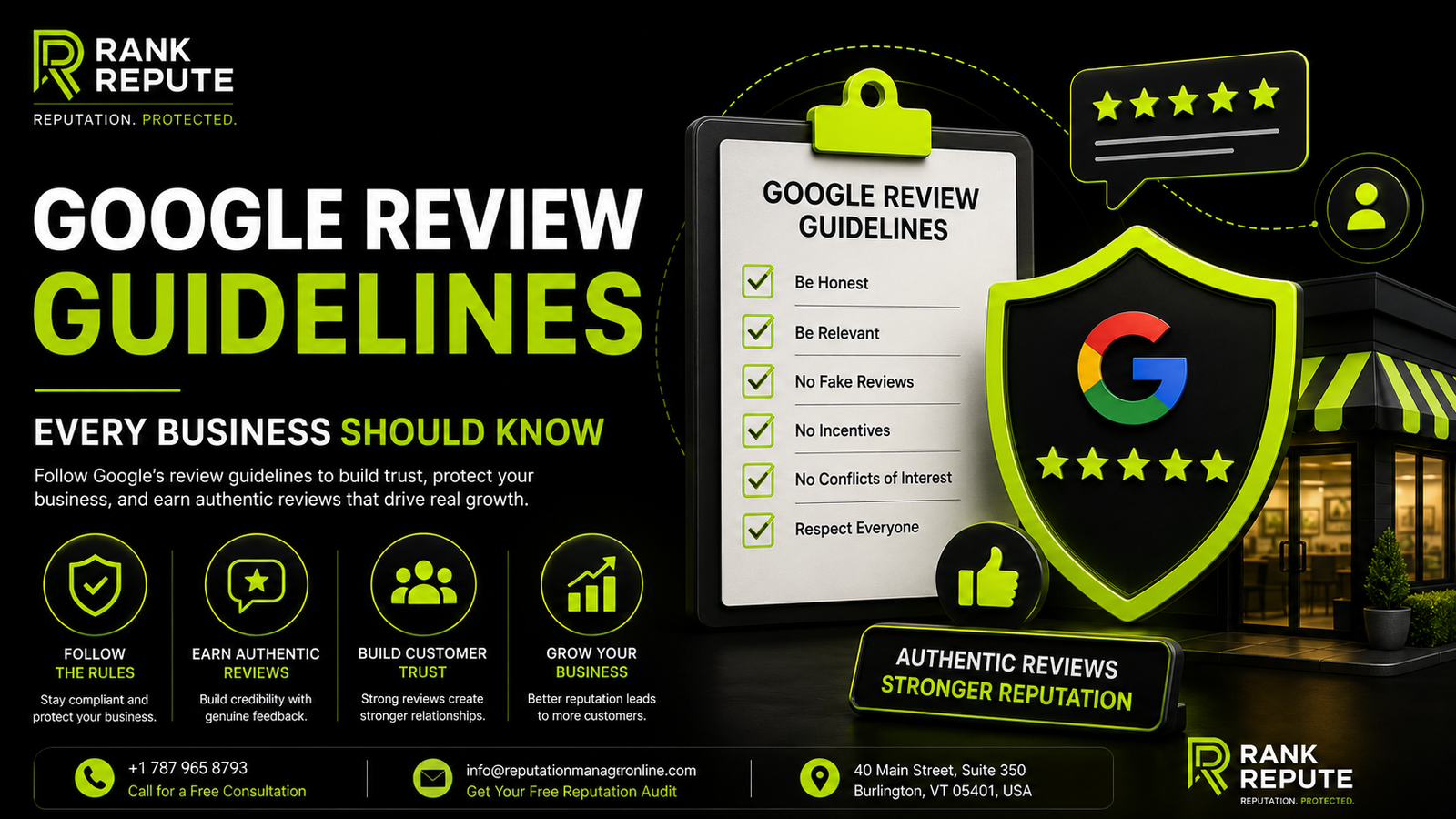
Google Review Guidelines Every Business Should Know
Quick Answer
Google Review Guidelines help ensure reviews remain authentic, relevant, and trustworthy for both businesses and consumers. Businesses should understand what types of reviews are permitted, which practices violate Google’s policies, and how to manage customer feedback responsibly. Violations such as fake reviews, review spam, incentivized reviews, and conflicts of interest can result in review removal and potential profile restrictions.
Google Reviews have become one of the most influential trust signals on the internet. Whether customers are searching for a restaurant, law firm, dentist, contractor, healthcare provider, or local service business, reviews often play a major role in purchasing decisions.
For businesses, reviews influence more than reputation. They can affect customer trust, local visibility, Google Business Profile performance, and overall brand perception. However, many business owners misunderstand Google’s review policies. Some businesses unknowingly violate guidelines when requesting reviews. Others attempt to remove legitimate customer feedback because they disagree with it. Some even purchase reviews without realizing the potential consequences.
Understanding these policies is an important part of effective online reputation management. At Rank Repute, we help businesses navigate review management, reputation monitoring, and customer feedback strategies while maintaining compliance with platform guidelines and industry best practices.
Why Google Review Guidelines Matter?
Google’s review system is designed to help users make informed decisions based on genuine customer experiences. Without review policies, businesses could manipulate ratings through fake reviews, misleading feedback, or coordinated review campaigns. Google’s guidelines exist to:
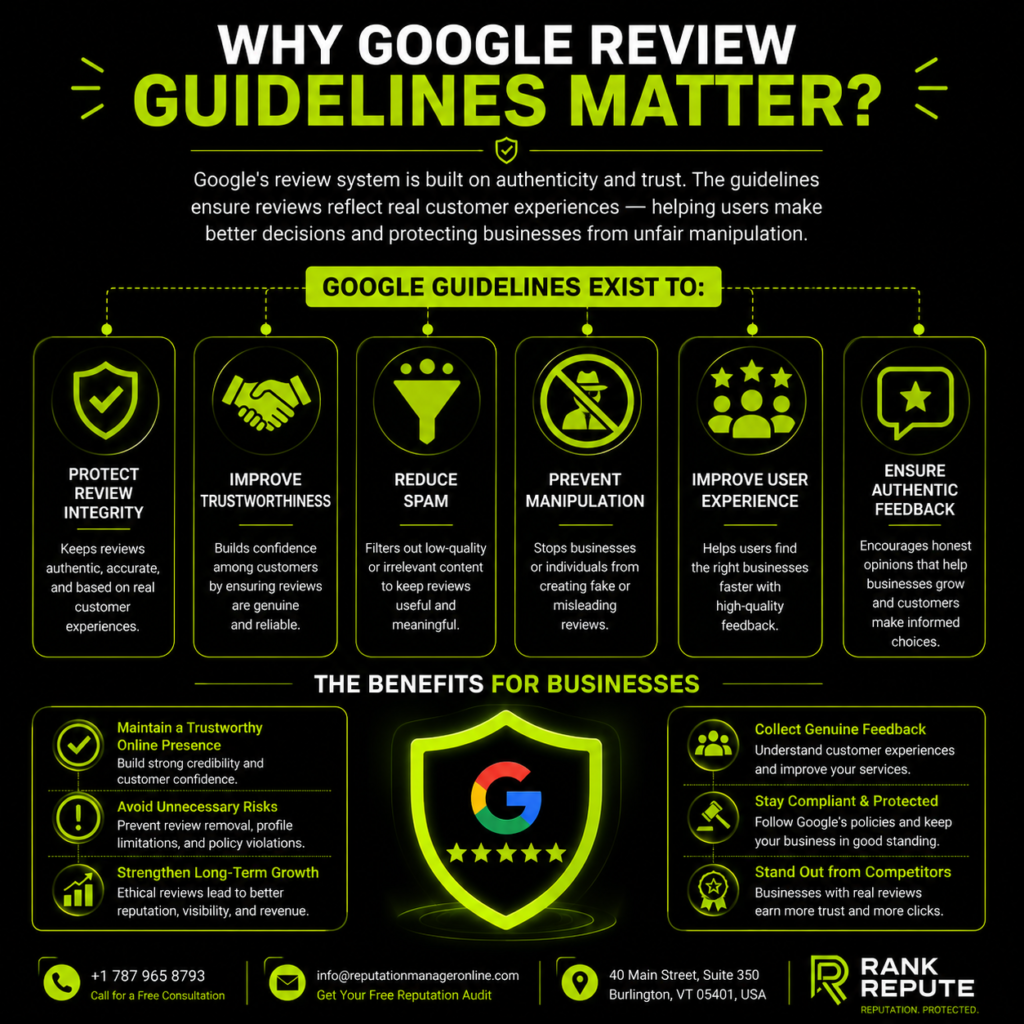
- Protect review integrity
- Improve trustworthiness
- Reduce spam
- Prevent manipulation
- Improve user experience
- Ensure authentic customer feedback
Businesses that understand these policies are generally better positioned to maintain a trustworthy online presence. Ignoring review guidelines can create unnecessary risks, including review removal, profile limitations, and loss of customer trust. Following Google’s policies also supports ethical review generation practices, helping businesses collect authentic customer feedback while maintaining long-term credibility and compliance.
What Google Expects From Reviews?
Google wants reviews to reflect genuine experiences. Reviews should be:
- Honest
- Relevant
- Based on real interactions
- Free from manipulation
- Helpful to other users
The purpose of a review is to share an authentic customer experience rather than promote, attack, or manipulate a business. Google’s review system is designed around authenticity. This principle applies equally to positive reviews and critical feedback. Businesses that follow these principles as part of a structured review management strategy are more likely to build trust, maintain credibility, and create a stronger long-term online reputation.
Types Of Reviews Allowed By Google
Not all reviews are treated equally. Google generally allows reviews that describe legitimate customer experiences, even when the feedback is negative. Businesses cannot remove a review simply because they disagree with it or find it unfavorable. However, reviews that violate platform policies may qualify for action through professional negative content removal strategies. Understanding the difference between legitimate criticism and policy-violating content is essential for effective reputation management. Examples include:
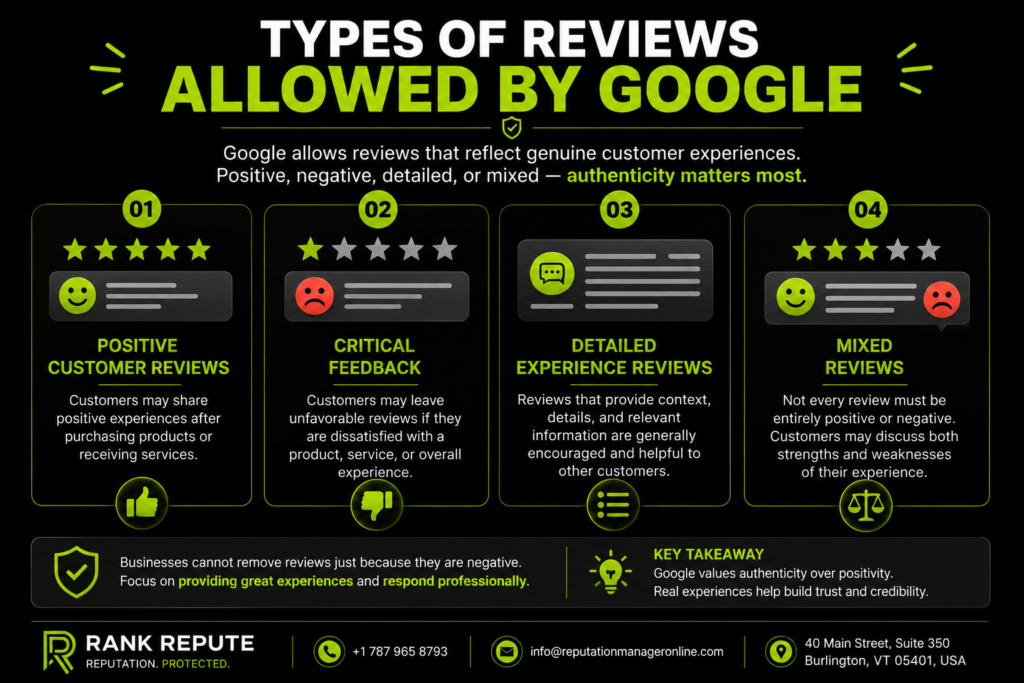
Positive Customer Reviews
Customers may share positive experiences after purchasing products or receiving services.
Critical Feedback
Customers may leave unfavorable reviews if they are dissatisfied with a product, service, or overall experience.
Detailed Experience Reviews
Reviews that provide context, details, and relevant information are generally encouraged.
Mixed Reviews
Not every review must be entirely positive or entirely negative. Customers may discuss both strengths and weaknesses of their experience. Google generally values authenticity over positivity.
Reviews That Violate Google’s Policies
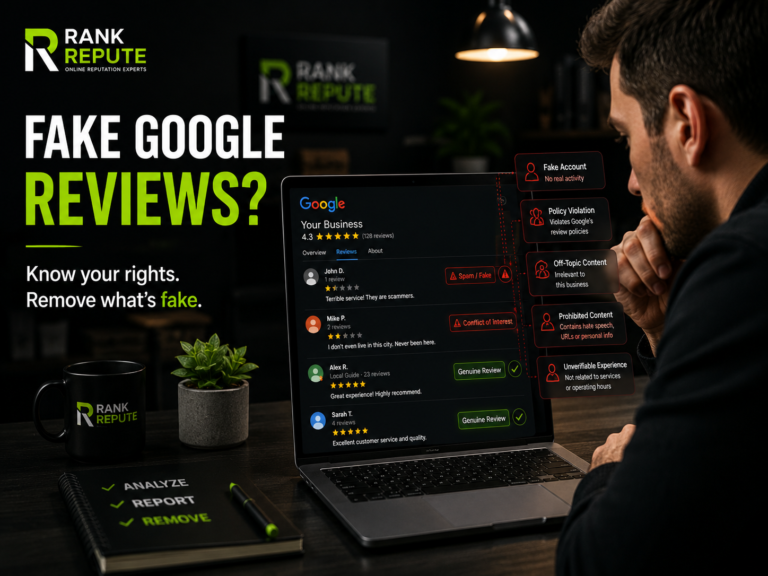
Many businesses incorrectly assume that only fake reviews violate Google’s guidelines. In reality, several review types may be removed if they breach policy requirements. Understanding how Google handles fake reviews can help businesses determine whether a review may qualify for removal.
Fake Reviews
Fake reviews remain one of the most common policy violations. Examples include:
- Reviews from non-customers
- Purchased reviews
- Generated reviews
- Coordinated review campaigns
- Reviews submitted under false identities
Google actively works to identify suspicious review patterns. Businesses should never attempt to manufacture customer feedback.
Spam Reviews
Spam reviews typically provide little or no genuine customer insight. Examples include:
- Repetitive content
- Promotional messages
- Irrelevant content
- Automated submissions
These reviews may be removed when identified.
Conflict Of Interest Reviews
Google prohibits reviews from individuals who have a direct connection to the business. Examples include:
- Business owners reviewing their own company
- Employees reviewing their employer
- Former employees are posting misleading feedback
- Family members creating promotional reviews
These reviews can undermine review credibility and violate Google’s policies.
Impersonation
Reviews submitted under false identities may violate Google’s rules. Customers should accurately represent themselves when leaving feedback.
Offensive Content
Google may remove reviews containing:
- Hate speech
- Harassment
- Threats
- Obscene language
- Discriminatory content
Businesses should report these reviews when they appear.
Can Businesses Pay For Google Reviews?
No. Paying customers to leave Google reviews violates Google’s policies. This includes:
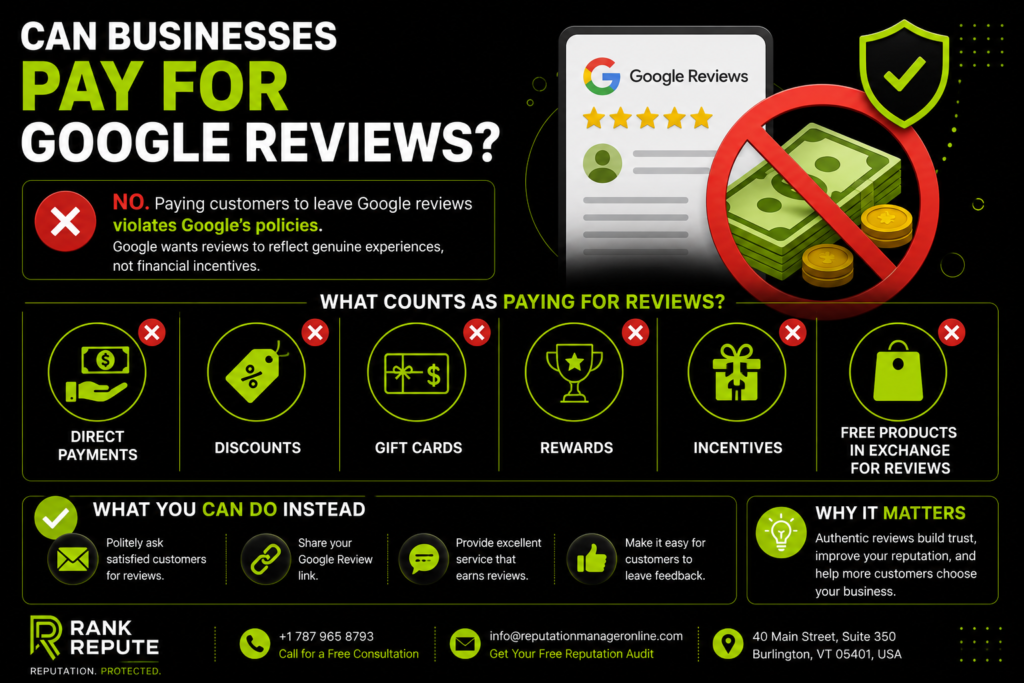
- Direct payments
- Discounts
- Gift cards
- Rewards
- Incentives
- Free products in exchange for reviews
Businesses can encourage customers to leave reviews. However, they should not offer compensation tied to a review submission. Google wants reviews to reflect genuine experiences rather than financial incentives. Understanding the motivations behind customer feedback, including why customers leave negative reviews, can help businesses build ethical review generation processes that comply with platform guidelines.
Can Businesses Ask Customers For Reviews?
Yes. Google allows businesses to request reviews from customers. In fact, encouraging genuine customer feedback is a normal part of reputation management. Acceptable practices include:
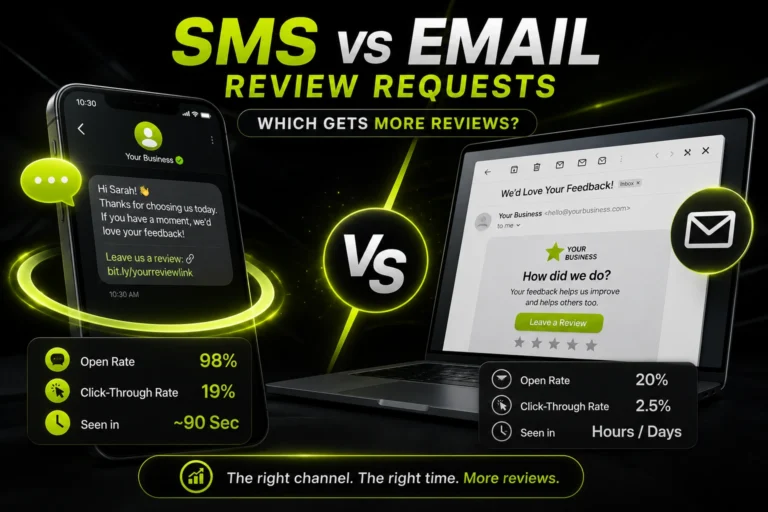
- Email review requests
- SMS review requests
- Post-service review invitations
- Follow-up review requests
- Google Business Profile review links
The key requirement is that requests should be sent fairly and consistently. Businesses should avoid selecting only happy customers while excluding dissatisfied customers.
What Is Review Gating?
Review gating is a practice where businesses filter customers before directing them to a review platform. For example:
- Happy customers are directed to Google Reviews.
- Unhappy customers are redirected elsewhere.
This practice attempts to influence public ratings by selectively collecting positive reviews. Google discourages review gating because it creates a misleading representation of customer experiences. Businesses should provide equal opportunities for all customers to leave feedback. Consistent reputation monitoring can help businesses identify feedback trends, understand customer sentiment, and maintain a more accurate view of their online reputation without relying on selective review practices.
Can Employees Leave Reviews For Their Employer?
No. Google generally considers employee reviews to be conflicts of interest. Employees have a direct relationship with the business and therefore cannot provide independent customer feedback. Reviews should come from genuine customers who have experienced the business’s products or services firsthand.
Businesses looking for examples of appropriate review engagement can explore professional Google review response examples to better understand how to interact with customer feedback while remaining compliant with platform guidelines. The same principle applies to:
- Owners
- Managers
- Business partners
- Immediate family members
Reviews should come from genuine customers rather than individuals connected to the business.
Can Competitors Leave Reviews?
Competitor reviews may violate Google’s policies if they are intended to manipulate ratings or damage a business unfairly. Businesses occasionally encounter situations involving:
- Competitor review attacks
- Coordinated review campaigns
- False customer claims
If evidence suggests a review was posted by a competitor, businesses may report the review for further investigation. However, evidence is important. Simply assuming a reviewer is a competitor is usually not enough.
Common Google Review Policy Violations
| Review Practice | Allowed? | Potential Outcome |
|---|---|---|
| Genuine Customer Reviews | Yes | Review Remains Published |
| Asking Customers For Reviews | Yes | Fully Acceptable |
| Paying For Reviews | No | Review Removal Possible |
| Employee Reviews | No | Conflict Of Interest Violation |
| Fake Reviews | No | Removal Possible |
| Review Gating | Discouraged | Compliance Risk |
| Spam Reviews | No | Removal Possible |
| Competitor Review Manipulation | No | Policy Violation |
| Harassment Or Threats | No | Review Removal Possible |
Understanding these guidelines helps businesses avoid mistakes that may harm their reputation or create compliance issues.
How Businesses Should Handle Reviews That Violate Google’s Policies?
Not every review that violates Google’s guidelines is automatically removed. Businesses should follow a structured process when dealing with suspicious or policy-violating reviews. Even when a review appears unfair or misleading, responding professionally is often an important first step. Understanding when businesses should respond to Google reviews can help organizations protect their reputation while determining whether further action, such as reporting a review, is appropriate.
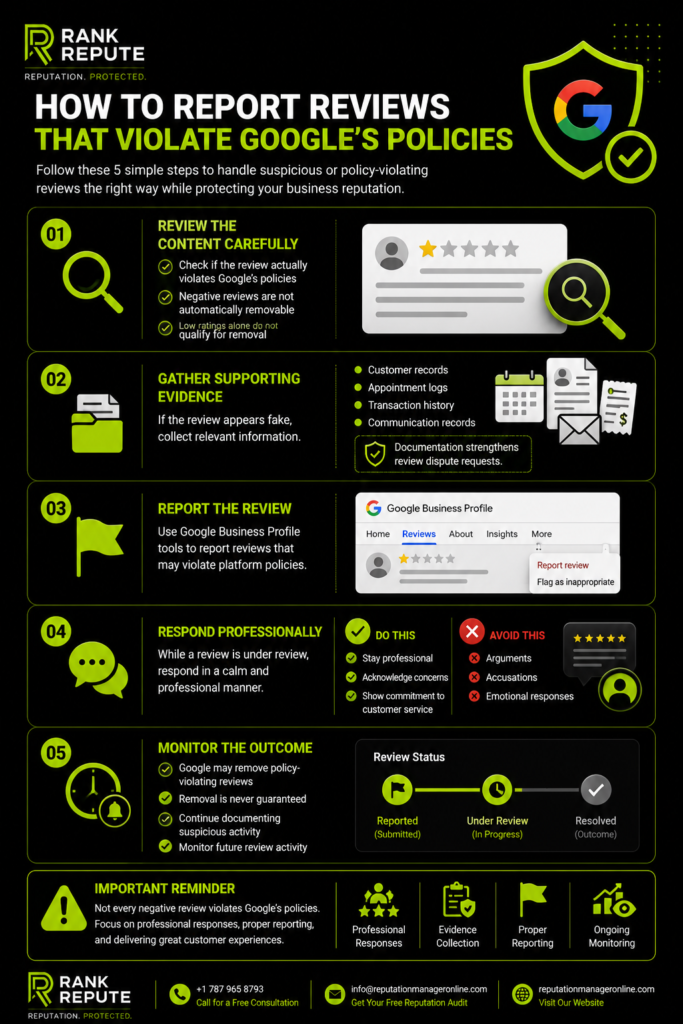
Step 1: Review The Content Carefully
Before reporting a review, determine whether it genuinely violates Google’s policies. A review does not qualify for removal simply because it is critical or contains a low rating.
Step 2: Gather Supporting Evidence
If the review appears fake, collect relevant information such as:
- Customer records
- Appointment logs
- Transaction history
- Communication records
Documentation can help support a review dispute request.
Step 3: Report The Review
Google Business Profile provides options to flag reviews that may violate its policies.
Step 4: Respond Professionally
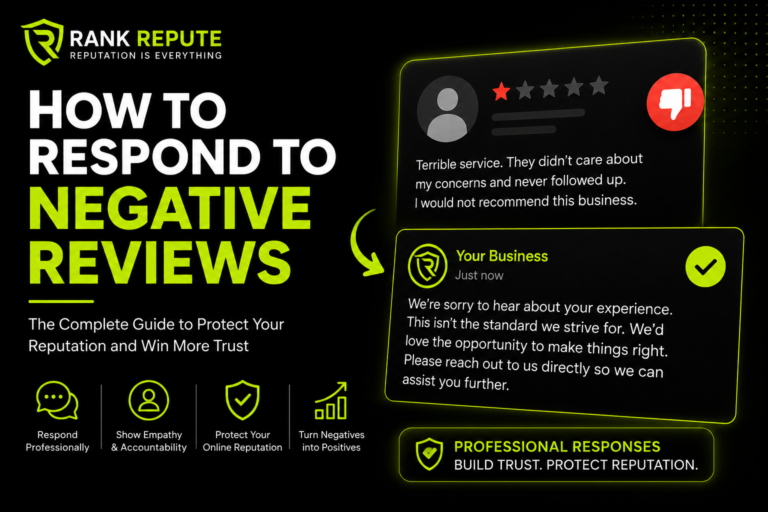
While a review is under review, businesses should consider posting a calm and professional response that demonstrates accountability and customer service.
Step 5: Monitor The Outcome
Google may remove reviews that violate its guidelines, but removal is not guaranteed. Businesses should continue monitoring feedback and documenting suspicious activity.
Review Removal Myths Businesses Should Understand
Many misconceptions exist regarding Google review removal. In many cases, businesses can achieve better outcomes through professional negative review responses rather than focusing solely on removal.
Myth: Google Removes Every Negative Review
Google does not remove reviews simply because they are critical. Customers are allowed to share genuine experiences, including unfavorable ones.
Myth: Businesses Can Delete Reviews Themselves
Business owners cannot directly delete customer reviews from their Google Business Profile.
Myth: Legal Threats Guarantee Removal
A legal complaint does not automatically result in review removal. Google evaluates content according to its policies and applicable legal requirements.
Myth: Competitor Reviews Are Always Removed
Competitor reviews may violate Google’s policies, but evidence is typically required before action is taken.
Myth: More Reports Mean Faster Removal
Submitting multiple reports does not necessarily increase the likelihood of removal. Policy violations must still be verified.
How Google Detects Suspicious Review Activity?
Google uses a combination of automated systems and manual review processes to identify suspicious behavior. Signals may include:
- Unusual review patterns
- Multiple reviews from related accounts
- Sudden review spikes
- Geographic inconsistencies
- Repetitive review language
- Coordinated activity
Businesses that attempt to manipulate ratings often leave identifiable patterns. This is one reason why authentic review acquisition is always the safest long-term approach.
Why Authentic Reviews Matter More Than Perfect Ratings?
Many business owners focus heavily on achieving a perfect five-star rating. However, consumers often view a mix of positive and critical feedback as more trustworthy than a profile containing only perfect reviews. Authentic customer feedback helps:
- Build credibility
- Improve customer trust
- Demonstrate transparency
- Provide useful business insights
- Support informed purchasing decisions
Customers generally understand that no business can satisfy every individual. What often matters more is how a business responds to feedback and manages customer experiences over time. Consistently demonstrating transparency and trustworthiness through authentic customer interactions also contributes to long-term brand building and a stronger online reputation.
Google Review Best Practices For Businesses
Following best practices helps businesses remain compliant while maintaining a healthy review profile.
Encourage Genuine Customer Feedback
Ask customers to share honest experiences rather than attempting to influence review outcomes.
Respond To Reviews Consistently
Review responses demonstrate professionalism and show customers that feedback is valued.
Monitor Reviews Regularly
Ongoing monitoring helps businesses identify customer concerns, suspicious activity, and emerging reputation issues.
Train Staff On Review Policies
Employees should understand what is and is not allowed under Google’s guidelines.
Focus On Customer Experience
The most effective way to improve reviews is to improve customer experiences.
Businesses that consistently deliver quality service generally create more opportunities for positive feedback.
Review Practices Businesses Should Avoid
| Recommended Practice | Practice To Avoid |
|---|---|
| Request reviews from real customers | Purchase reviews from third parties |
| Encourage honest feedback | Offer rewards for positive reviews |
| Respond professionally to criticism | Argue publicly with reviewers |
| Monitor review activity regularly | Ignore customer feedback |
| Report genuine policy violations | Report every unfavorable review |
| Build reviews organically | Create fake customer accounts |
| Follow Google’s review policies | Attempt to manipulate ratings |
| Maintain transparency | Hide or filter customer feedback |
These practices help businesses maintain compliance while protecting long-term credibility.
How Google Review Guidelines Affect Reputation Management?
Review policies play an important role in online reputation management. Businesses that understand Google’s guidelines are often better prepared to:
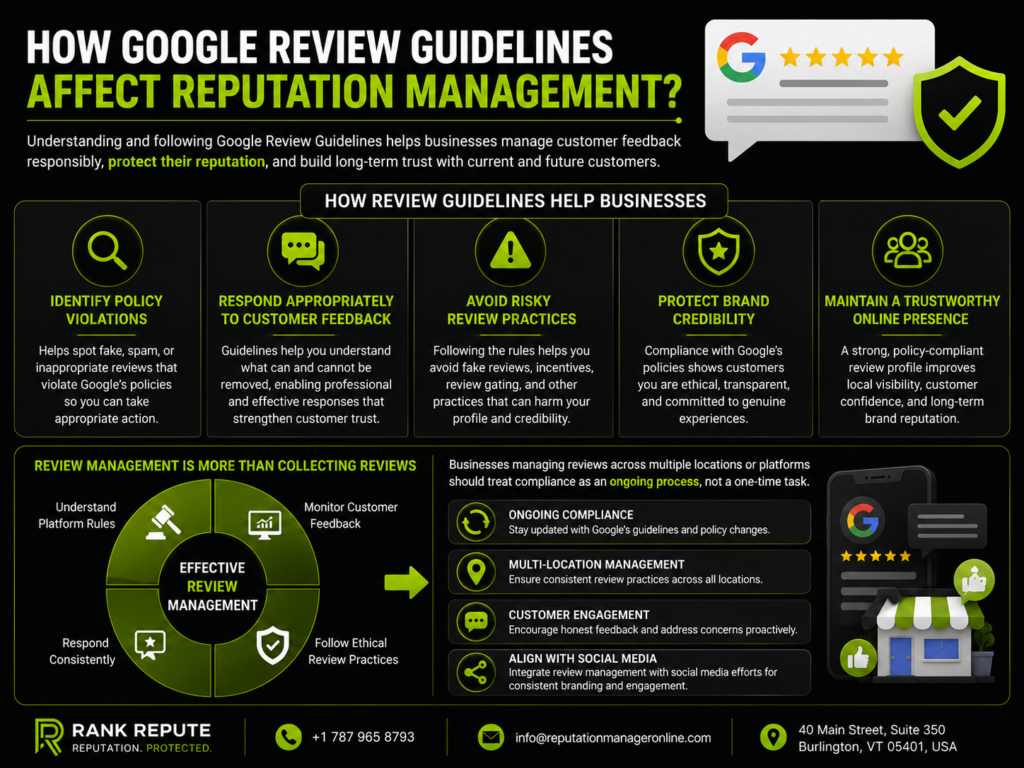
- Identify policy violations
- Respond appropriately to customer feedback
- Avoid risky review practices
- Protect brand credibility
- Maintain a trustworthy online presence
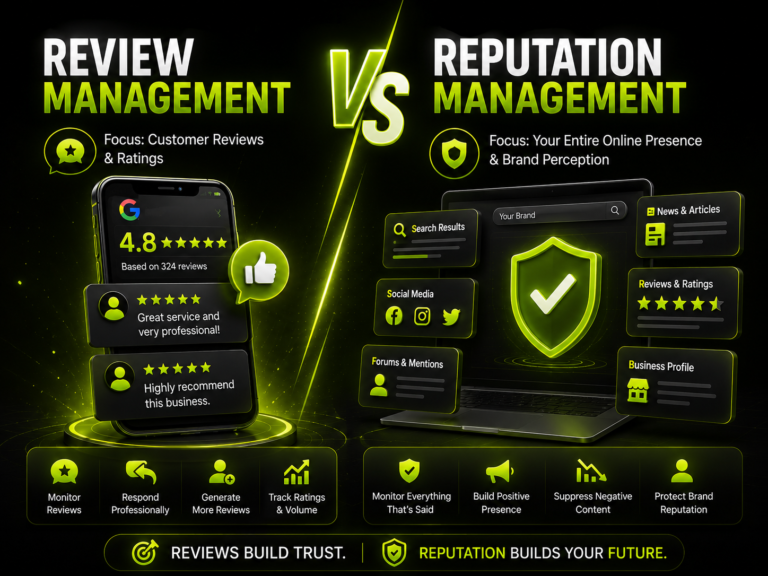
Review management is not simply about collecting reviews. It also involves understanding platform rules, monitoring customer feedback, and maintaining ethical review practices. For businesses managing customer reviews across multiple locations or platforms, compliance should be viewed as an ongoing process rather than a one-time task. Strong review management practices should also align with broader social media management efforts to maintain consistent brand communication and customer engagement across all public channels.
Industries Where Review Compliance Matters Most
While every business should understand Google’s review policies, compliance is particularly important for industries where trust heavily influences customer decisions. These industries include:
- Dental Practices
- Healthcare Providers
- Law Firms
- Restaurants
- Home Service Businesses
- Contractors
- Real Estate Professionals
- Financial Services
- Hospitality Businesses
- Automotive Companies
In these sectors, customers frequently compare ratings, customer feedback, and review responses before choosing a provider. A review profile that follows Google’s guidelines can help strengthen credibility and reduce the risk of reputation issues.
Conclusion
Google Review Guidelines exist to protect the integrity of customer feedback and help consumers make informed decisions. Businesses that understand these policies are better equipped to collect authentic reviews, avoid compliance issues, and manage customer feedback responsibly.
Fake reviews, review spam, incentivized reviews, conflicts of interest, and review manipulation can all create risks for businesses and may lead to review removal. By focusing on genuine customer experiences, ethical review practices, and consistent review management, businesses can maintain stronger credibility across Google Reviews and Google Business Profiles.
Rather than focusing solely on ratings, businesses should focus on creating positive customer experiences and encouraging honest feedback. Authentic reviews remain one of the most valuable trust signals available to both customers and search platforms. Businesses looking to evaluate how reviews, search visibility, and customer sentiment impact their online presence can benefit from a comprehensive reputation audit to identify opportunities for improvement and long-term growth.
Frequently Asked Questions
Can Businesses Delete Google Reviews?
No. Businesses cannot directly delete reviews from their Google Business Profile. Only the person who posted the review or Google can remove it. If a review violates Google’s policies, businesses can report it for review and possible removal.
What Types Of Reviews Does Google Remove?
Google may remove reviews that violate its review policies. This can include fake reviews, spam, impersonation, conflicts of interest, harassment, hate speech, inappropriate content, and reviews that do not reflect a genuine customer experience. Negative reviews alone are not typically removed simply because a business disagrees with them.
Is It Against Google’s Policies To Buy Reviews?
Yes. Purchasing reviews or offering compensation in exchange for reviews violates Google’s policies. This includes cash payments, gift cards, discounts, free products, or any other incentive intended to influence customer feedback.
Can Employees Leave Reviews For The Company They Work For?
No. Employee reviews are generally considered a conflict of interest because employees have a direct relationship with the business. Google expects reviews to come from genuine customers who have independently experienced the business.
Can Family Members Leave Google Reviews?
Family members who have not genuinely used the business as customers should not leave reviews. Reviews from close personal connections may be considered conflicts of interest and could violate Google’s review policies.
What Is Review Gating?
Review gating occurs when businesses screen customers before asking for reviews and only direct satisfied customers to Google Reviews. This creates a biased representation of customer experiences and is discouraged because it limits honest customer feedback.
How Long Does It Take Google To Remove A Review?
There is no fixed timeframe. Some review investigations may take a few days, while others can take several weeks. The outcome depends on whether Google determines that the review violates its policies.
Can Competitors Leave Reviews On Google?
Competitors should not leave reviews intended to manipulate ratings or influence customer perception unfairly. Reviews submitted for competitive advantage rather than genuine customer experiences may violate Google’s policies.
Can Businesses Ask Customers For Google Reviews?
Yes. Google allows businesses to request reviews from customers. Review requests can be sent through email, SMS, follow-up messages, or direct review links. However, businesses should not selectively request reviews only from satisfied customers or offer incentives in exchange for feedback.
What Happens If A Business Violates Google’s Review Policies?
Businesses that engage in review manipulation, fake review generation, incentivized reviews, or other prohibited practices may experience review removals, reduced review visibility, profile restrictions, or other enforcement actions intended to maintain the integrity of Google’s review system.
Are Fake Google Reviews Illegal?
The legality of fake reviews depends on the jurisdiction and circumstances. In many countries, deceptive review practices may violate consumer protection laws or advertising regulations. Regardless of legal considerations, fake reviews violate Google’s policies and may be removed if detected.